Event Marketing: From Conception to Creation
Effective event marketing starts well before the event itself, and continues long after it ends.
What Years of Event Work Have Taught Me
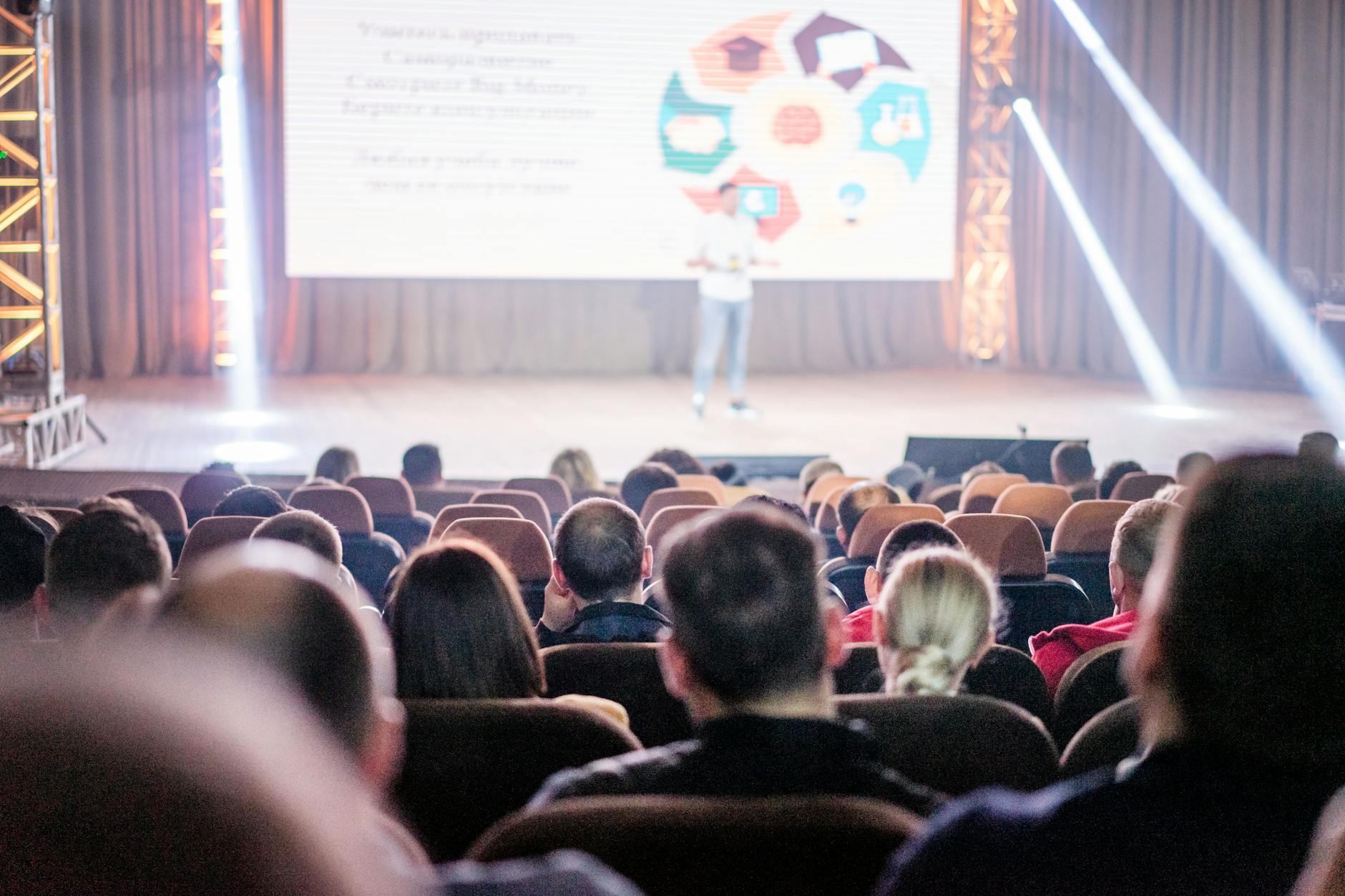
Events are often the most visible – and most demanding – moments in an association’s calendar. Campaigns for conferences and annual meetings require focused effort, clear messaging, and careful coordination, often within a short and intense timeframe.
I work with organisations to plan and coordinate communications across the full event lifecycle – before, during, and after – helping internal teams manage timelines, maintain message clarity, and extend the impact of event content through follow-up communications. The goal is to bring structure to a high-pressure season, so teams can take a breath, stay focused, and come out the other side feeling proud of the work.
The Event Marketing Life-Cycle
Strategy & Positioning
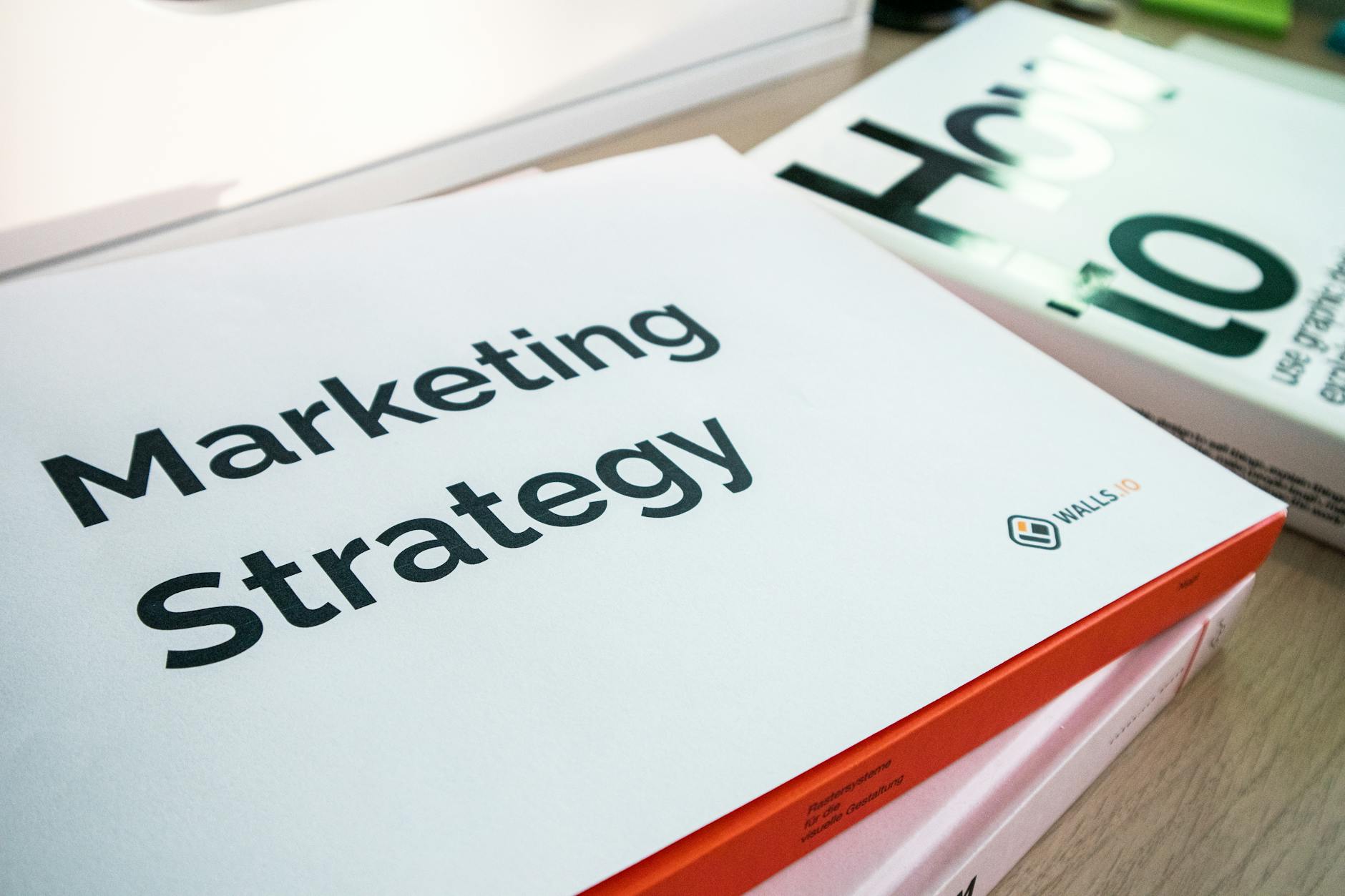
In this phase, I work with clients to clarify the purpose of the event, the audiences it serves, and the messages that matter most. This includes aligning event communications with organisational goals, and identifying priorities across channels and timelines.
Execution & Coordination
Next, we begin the often-demanding rollout of event marketing across email, websites, social media, partner communication channels, etc. My focus in this phase is on ensuring messages are consistent, deadlines are manageable, and nothing falls through the cracks.

Follow-up and Learning
Tip: the wrap-up phase is not really a wrap up. It’s the invisible start to next year’s planning! My goal here is to extend the value of the event beyond its conclusion, and to make sure you’re collecting & reviewing practical insight, so future events benefit from what’s been learned.
 HOME
HOME 